How to Grow Hydroponic Dragon Fruit (Pitahaya) From Setup to Harvest
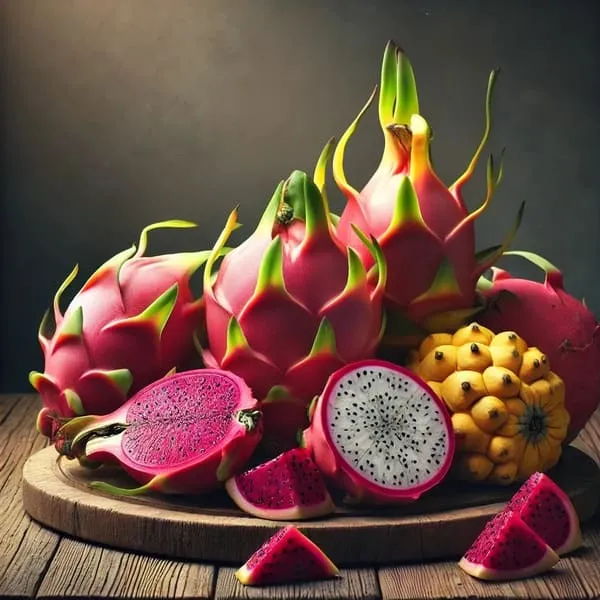
Can You Grow Dragon Fruit Hydroponically?
Yes—dragon fruit thrives hydroponically if roots are highly aerated and the canopy is properly trained. It’s a cactus, but it isn’t “low water”: give consistent moisture with oxygen (air stones or well-drained media), warm temps, strong light, and sturdy vertical support.
Choose self-fertile varieties when possible to avoid hand cross-pollination.
📝 Quick Overview (bookmark this)
| Topic | Quick facts (at-a-glance) |
|---|---|
| Best use case | Balcony/greenhouse/yard with vertical post + crown; warm climates or indoor grow with LEDs. |
| Recommended varieties | Prefer self-fertile types (e.g., ‘American Beauty’, ‘Sugar Dragon/S8’, many undatus cultivars). Self-sterile types (e.g., ‘Halley’s/Hailey’s Comet’) often need a second cultivar. |
| Best hydro systems | Drip/Dutch bucket (media) for steady moisture + high aeration; Ebb & Flow with large pots; Well-aerated DWC works if solution is cool and heavily oxygenated; wick/RGG drain-to-waste also proven if pot drains freely. |
| Container & support | 15–30 L (4–8 gal) media pot minimum, one plant per pot; central wooden post (1.5–2 m / 5–6.5 ft) with a square crown on top for hanging arms. |
| Media (drainage first) | Fast-draining mix such as coco + scoria/pumice/perlite (e.g., 2–3 parts scoria : 1 part coco). Hydroton also works. Keep crown area drier. |
| pH | 5.8–6.5 (seedlings 5.8–6.2; flowering/fruiting ~6.2–6.5). |
| EC (mS/cm) | Seedlings: 0.8–1.0 · Vegetative: 1.2–1.6 · Bud/fruit set: 1.4–1.8. Back off if tips yellow/salt crust forms. |
| Lighting (sun vs LED) | Sun: Full sun is fine in mild climates; give afternoon shade where summers scorch. LED: 250–400+ µmol·m⁻²·s⁻¹ PPFD, 14–16 h veg; 12–14 h once mature. |
| Temperature & RH | Ideal 20–32 °C (68–90 °F); brief dips to 10 °C (50 °F) tolerated, frost damages. RH 40–70%. Keep root zone cooler than air in heat waves. |
| Irrigation & aeration | Keep media moist, never waterlogged. In DWC/RDWC use big air stones (≥2–4 L/min per plant). In media, short/frequent drip cycles; allow surface to dry between pulses. |
| Pruning & trellis | Train 1–2 leaders to the post, top at the crown, then let arms drape. Remove weak, downward shoots; keep crown open for light/air. |
| Pollination | Many cultivars are self-fertile; others need cross-pollination (night-blooming flowers). Hand pollinate at night/early morning for reliable set. |
| Nutrients | Balanced grow → higher K + Ca + Mg at flowering/fruiting. Keep N moderate to avoid excess vine at the expense of fruit. Supplement Ca/Mg if using RO water. |
| Growth timeline* | Cutting callus: 5–7 d → Root: 2–4 w → Leader up post: months → First flower: 8–18+ months (variety & conditions) → Fruit ripening: 30–50 days after set. |
| Yield expectations | From year 2: several fruits per arm per flush; multiple flushes in warm seasons with good light and feed. |
| Common pitfalls | Overwatering/poor aeration, no trellis, wrong variety (self-sterile alone), hot nutrient solution (>24 °C/75 °F), salt buildup in coco. |
| Harvest signs | Fruit colors up fully, slight give to touch, bracts turn less green; aroma increases. Don’t wait for drop. |
| Maintenance cadence | Check pH/EC 2–3×/week; flush media monthly (or when EC drifts); prune quarterly; inspect crown ties; refresh airstones as needed. |
🌱 How to Grow Hydroponic Dragon Fruit (Step by Step)
1) Choosing the Best Dragon Fruit Variety
Pick self-fertile cultivars to avoid unreliable fruit set (night blooms don’t always overlap). Great choices include ‘American Beauty’, ‘Sugar Dragon (S8)’, and many Hylocereus undatus types marketed as self-fertile. Self-sterile favorites (e.g., ‘Haley’s/Hailey’s Comet’) need a second cultivar for pollen.
Propagation: take 25–40 cm (10–16″) cuttings, callus for 5–7 days, then plant; avoid rot by keeping the cut face out of constant wetness.
2) Best Hydroponic System for Dragon Fruit
Dragon fruit is a climbing cactus with aerial roots that loves oxygenated but consistently moist media (not standing water). These are the top systems:
- Drip Irrigation (Dutch Bucket style) — best overall
Tunable pulses keep media moist and airy; easiest for year-round control and scaling.
👉 Guide - Ebb & Flow (Flood & Drain) — great alternative
Short, complete floods + full drains maintain oxygen in chunky media (hydroton/scoria).
👉 Guide - Traditional DWC / RDWC — only with strong aeration
Works if solution stays cool and highly oxygenated with generous air stones and a reliable air gap; RDWC adds volume stability.
👉 DWC
👉 RDWC
Practical note I’ve validated: root health tanks when the solution warms; shade or bury reservoirs, and oversize aeration.
3) Substrate & Container Setup
- Container: 15–30 L (4–8 gal) one plant per pot minimum.
- Support: Install a solid wooden post (1.5–2 m / 5–6.5 ft) with a square/cross “crown” on top; aerial roots grip wood far better than PVC.
- Media (free-draining): 2–3 parts scoria/pumice or expanded clay : 1 part coco (or 60% coco + 40% perlite for lighter mixes). Keep the crown area drier; avoid packing media tight.
- Irrigation tuning: For drip, start 1–2 min every 2–3 h (lights on) and adjust by finger test—moist but airy. For ebb & flow, brief floods and complete drains.
4) Lighting & Temperature (Sun vs LED)
- Temps/RH: 20–32 °C (68–90 °F) is ideal; protect from cold snaps. RH 40–70% with airflow to avoid fungal spotting.
- Sun: Full sun in mild climates; in hot summers give afternoon shade to prevent scorch.
- LED: Full-spectrum, 14–16 h for vegetative growth; 12–14 h once mature. Keep PPFD in the 250–400+ μmol·m⁻²·s⁻¹ range at canopy.
5) Nutrients & pH/EC Control
- Reservoir care: Light-proof, well-aerated, and kept cool; top-up with plain water between changes to prevent EC creep in heat.
- pH: 5.8–6.5 (seedlings 5.8–6.2; flowering/fruiting ~6.2–6.5).
- EC: Seedlings 0.8–1.0 → Vegetative 1.2–1.6 → Bud/fruit 1.4–1.8 mS/cm.
- Formulation: Balanced base; as buds appear, increase K and maintain Ca/Mg (especially with RO). Keep N moderate—excess nitrogen drives vine over fruit.
6) Pruning, Training & Pollination
- Training: Grow 1–2 leaders straight up the post, then top at the crown to push a ring of arms that hang like an umbrella. Tie loosely; re-tie as arms thicken.
- Pruning: Remove weak/downward shoots; keep the crown open for light and airflow. Cutting tips stimulates multiple new arms just below the cut.
- Pollination: Flowers open at night; many cultivars are self-fertile, others are not. Hand-pollinate late evening/early morning for reliable set (pollen from self-compatible cultivar to stigma of the target bloom).
7) Maintenance & Growth Timeline
- Weeks 0–4 (cutting → root): Plant callused cuttings; keep media lightly moist; minimal feed (EC ≤1.0).
- Months 2–6 (leaders up): Train to post; prune to one or two strong leaders; EC 1.2–1.6.
- Months 6–12+ (crown & arms): Top at crown; form 3–5 arms; maintain moderate feed; watch for salt buildup in coco—monthly flush if EC rises.
- Flowering & fruiting: First blooms commonly 8–18+ months from planting depending on variety/light. After pollination, fruit ripens in 30–50 days.
- Weekly routine: Check pH/EC 2–3×/week, inspect ties, clear any mushy tissue after heavy rains, and verify reservoir temperature/aeration.
🛑 Common Problems & Fixes
| Problem | How it shows | Likely cause | Fix (what works reliably) |
|---|---|---|---|
| Root rot / mushy base | Sour smell, dark translucent tissue at crown | Waterlogged media, stagnant solution, poor aeration | Use very free-draining media (scoria/pumice/hydroton + coco), shorten irrigations, increase aeration, keep crown above the consistently wet zone. |
| Reservoir too warm | Wilting by afternoon, slowed growth despite “wet” pot | Hot nutrient solution, low dissolved O₂ | Shade or bury the reservoir, increase volume, add multiple air stones, insulate lines; run lights/irrigations in cooler parts of the day. |
| No fruit set | Flowers open at night but fruit shrivels | Self-sterile cultivar or missed timing | Plant a self-fertile variety or a second cultivar; hand-pollinate late evening/early morning; store pollen if blooms are out of sync. |
| Bud drop / aborted flowers | Buds yellow and fall before opening | EC too high, drought pulses, heat stress | Hold EC in range (≈1.4–1.8 at bud), keep media evenly moist (not soaked), increase airflow; avoid big day–night swings. |
| Leggy, weak arms | Long pale growth that flops | Low light or excess N | Increase PPFD/photoperiod; reduce N once leaders reach the crown; tip-prune to stimulate branching. |
| Sun scorch | Bleached patches, corking on sun-exposed ribs | Sudden full sun or heat wave | Add afternoon shade cloth; acclimate gradually; avoid wetting stems in full sun. |
| Salt buildup in coco | Tip burn, white crust on surface | Overfeeding + evaporation | Monthly flush with pH-balanced water; resume feed at lower EC; increase run-off volume in drip systems. |
| Aerial roots won’t anchor | Vines need constant tying | Smooth supports (PVC/metal) | Switch to wooden posts/crowns (untreated); roughen existing posts or wrap with coir/jute for grip. |
| Algae in wicks/top layer | Green film, gnats | Light hitting moist media | Light-proof reservoirs/wicks; top-dress with hydroton or coarse scoria; improve surface drying between irrigations. |
| Soft rot after heavy rain | Dark, collapsing tips | Standing moisture in crown | Improve drainage, prune to open the crown, water from below or short pulses only; remove affected tissue promptly. |
| Slow rooting of cuttings | Cuttings stall or rot | Planted fresh cuts, too wet | Callus 5–7 days before planting; set in airy media, keep slightly moist (EC ≤1.0), high light/airflow, no standing water. |
| Pests (mealybugs/scale) | Cottony clusters, sticky honeydew | Stressed plants, crowded crown | Increase airflow, prune dense areas; swab spots with alcohol; use labeled horticultural soap—test on a small area first. |
Recommended Videos for Growing Hydroponic Dragon Fruit
The Hydroponic Dragonfruit Experiments
How to build a hydroponic system for pitahaya
Hydroponic Dragon Fruit Flowering – Hailey’s Comet Variety Masterblend Nutrients
❓ FAQs About Hydroponic Dragon Fruit
Yes. It does best in drip/Dutch bucket or ebb & flow with chunky, fast-draining media. DWC/RDWC can work if the solution is cool and heavily aerated.
They like consistent moisture with oxygen, not constant saturation. Think short, frequent pulses or brief floods that fully drain; let the surface re-oxygenate between events.
Not as a cutting sitting in plain water. Root in airy media (coco + scoria/hydroton) or run a well-aerated system. Standing water without oxygen usually causes rot.
Classic static Kratky is risky long-term (oxygen and heat). If you test it, use very large, light-proof totes with a generous air gap and/or supplemental aeration. For reliability, use drip or ebb & flow.
pH 5.8–6.5. EC 0.8–1.0 (rooting), 1.2–1.6 (vegetative), 1.4–1.8 (bud/fruit). Back off if tips burn or growth hardens prematurely.
Aim for 250–400+ μmol·m⁻²·s⁻¹ at the canopy, 14–16 h in vegetative growth. Mature plants can run 12–14 h if intensity is high. Outdoors: full sun with afternoon shade in very hot climates.
Often yes. Many cultivars are self-fertile, but others need cross-pollen. Flowers open at night—hand-pollinate late evening or very early morning for reliable fruit set.
From a cutting, 8–18+ months depending on variety, light, and warmth. Once a flower sets, expect 30–50 days to ripeness.
One plant per 4–8 gal (15–30 L) pot with a wooden post (≈1.5–2 m) and a simple crown on top. Train 1–2 leaders up, top them, then keep 3–5 arms draping.
Full, even color; bracts lose bright green; fruit has a slight “give” and aroma increases. Don’t wait for fruits to drop.
🌟 Final Thoughts
Success with hydroponic dragon fruit comes down to five habits:
- Air + Drainage — chunky media or vigorous aeration; crown kept out of the wet zone.
- Cool, light-proof reservoirs — shade/bury, oversize volume, multiple air stones.
- Right genetics — self-fertile cultivar or a reliable pollination partner.
- Structure — a sturdy wood post + crown so arms can hang and trigger flowering.
- Discipline on pH/EC — gentle feeds early, moderate EC at bud/fruit, monthly flush if using coco.
Dial those in and the jump from “healthy green vines” to consistent night blooms and sweet fruit happens a lot faster than most growers expect.