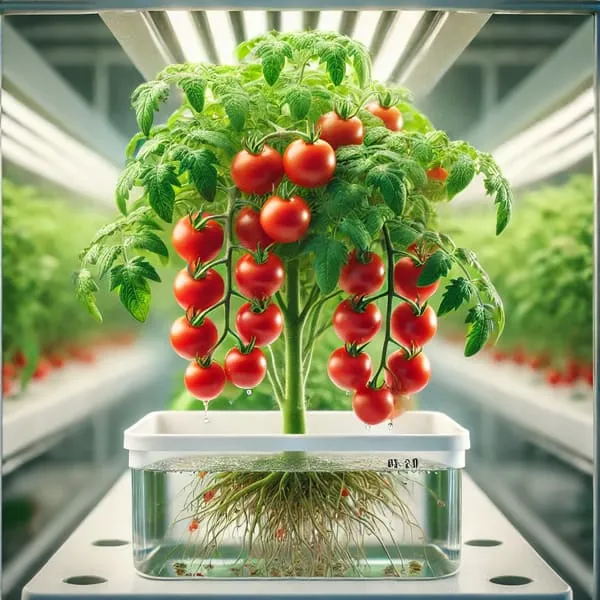
Hydroponic Raspberries
How to Grow Raspberries Without Soil

🌱 Why Grow Raspberries Hydroponically?
✅ Year-Round Production – Controlled environments allow continuous harvests.
✅ Higher Yields – Precise nutrient control leads to healthier plants and increased fruiting.
✅ Pest & Disease Reduction – Soil-borne pests and diseases are minimized.
✅ Efficient Water Usage – Hydroponic systems use up to 90% less water than soil farming.
✅ Space Optimization – Vertical and compact systems enable high-density farming.
📌 Quick Overview
| Factor | Recommended Levels |
|---|---|
| Best Hydroponic Systems | NFT, Drip Irrigation, DWC |
| pH Level | 5.5 - 6.5 |
| EC Range | 1.6 - 2.2 mS/cm |
| PPM (Nutrient Strength) | 900 - 1200 PPM |
| Temperature | 18-24°C (64-75°F) |
| Humidity | 60-80% |
| Light Requirement | 12-14 hours of full-spectrum LED light |
| Growth Timeframe | 6-12 months before first harvest |
| Watering Needs | Frequent, depending on the system used |
| Nutrient Needs | Balanced NPK (10-10-20) with micronutrients |
| Harvest Time | Every 3-4 weeks once fruiting begins |
🌿 How to Grow Hydroponic Raspberries
Growing raspberries hydroponically requires the right system, environmental control, proper nutrition, and regular maintenance. Follow these steps for a healthy and abundant harvest:
1️⃣ Select the Right Raspberry Variety
Not all raspberry varieties thrive in hydroponics. The best options include:
✔ Heritage – Ever-bearing and disease-resistant.
✔ Autumn Bliss – Great flavor and temperature tolerant.
✔ Joan J – Thornless variety, perfect for vertical systems.
2️⃣ Choose the Best Hydroponic System
The right system depends on your space and infrastructure. Some top choices include:
- Nutrient Film Technique (NFT) – Ideal for shallow-rooted plants like raspberries.
- Drip Irrigation System – Ensures precise nutrient delivery.
- Dutch Buckets (Bato Buckets) – Suitable for larger plants and heavy fruiting.
📌 See the Best Hydroponic Systems for Raspberries section for more details.
3️⃣ Prepare the Growing Medium
Raspberry roots are sensitive, so choosing the right substrate is crucial. Recommended options include:
✔ Coconut coir + perlite – Retains moisture and provides aeration.
✔ Expanded clay pebbles – Ensures excellent drainage and root support.
✔ Rockwool – Suitable for initial growth, but requires careful pH control.
4️⃣ Optimize Environmental Conditions
Maintaining the right climate is key for raspberry growth:
🌡 Temperature: 68-77°F (20-25°C).
💧 Humidity: 60-70%.
💡 Light: 12-16 hours per day (LED full-spectrum grow lights are ideal).
🌱 Support structures: Use trellises or stakes to keep canes upright.
5️⃣ Maintain Proper Nutrient Balance
Hydroponic raspberries require a well-balanced nutrient mix:
✔ pH: 5.8 - 6.2.
✔ EC: 1.2 - 1.8 mS/cm.
✔ Essential nutrients:
- Nitrogen (N): Supports vegetative growth.
- Phosphorus (P): Encourages flowering and fruiting.
- Potassium (K): Strengthens plant resilience and improves fruit quality.
- Calcium & Magnesium: Prevents leaf and fruit deficiencies.
6️⃣ Pollinate the Flowers
Raspberries require pollination to set fruit. If growing indoors:
✔ Use a soft brush to manually transfer pollen.
✔ Install small fans to simulate wind.
✔ Introduce bumblebees or honeybees if growing in a greenhouse.
7️⃣ Monitor and Prevent Diseases
Hydroponic raspberries are less prone to soil diseases, but still need protection:
✔ Avoid excess humidity to prevent fungal infections.
✔ Inspect roots regularly for any signs of rot.
✔ Use neem oil or organic insecticides if pests appear.
8️⃣ Harvest and Enjoy Your Raspberries!
Raspberries are ready to pick when:
✔ They have a deep red (or golden) color.
✔ They detach easily from the stem.
✔ They have a firm but juicy texture.
Harvest every 2-3 days to ensure peak freshness.
🌟 Best Hydroponic Systems for Raspberries
Choosing the right hydroponic system ensures healthy growth and maximum yield. Here are the best options:
🍃 Nutrient Film Technique (NFT) – Best for Small-Scale and Commercial Growth
📌 Ideal for: Compact setups and commercial farms.
📌 Advantages:
✔ Constant nutrient supply to roots.
✔ Efficient water and nutrient use.
✔ Works well in vertical setups.
📌 Disadvantages:
⚠ Not ideal for deep-rooted raspberry varieties.
⚠ Requires constant monitoring to maintain nutrient flow.
📌 Learn More: NFT System
💧 Drip Irrigation System – Best for Controlled Nutrient Delivery
📌 Ideal for: Greenhouses and precision farming.
📌 Advantages:
✔ Allows exact control of water and nutrients.
✔ Compatible with various growing mediums (coco coir, perlite, etc.).
✔ Scalable for small and large production.
📌 Disadvantages:
⚠ Requires occasional maintenance for drippers.
⚠ Slightly higher initial setup cost.
📌 Learn More: Drip Irrigation System
🪣 Dutch Buckets (Bato Buckets) – Best for Large and Heavy-Bearing Raspberry Plants
📌 Ideal for: Larger raspberry varieties and high-yield systems.
📌 Advantages:
✔ Holds more water, reducing frequent refills.
✔ Perfect for commercial and home-scale production.
✔ Works with different substrates for flexibility.
📌 Disadvantages:
⚠ Requires more space than NFT or drip systems.
⚠ Needs an efficient drainage system.
📌 Which System Should You Choose?
✔ For compact or commercial setups: NFT System.
✔ For precise nutrient control: Drip Irrigation System.
✔ For large, heavy-bearing raspberry plants: Dutch Buckets.
Each system has unique benefits, so choose based on your space, budget, and production goals.
🚨 Common Issues & Solutions
| Issue | Cause | Solution |
|---|---|---|
| 🍂 Yellowing Leaves | Nutrient deficiency | Adjust nutrient balance & EC levels |
| 🛑 Root Rot | Poor oxygenation | Increase aeration & use beneficial microbes |
| ❌ Poor Pollination | Lack of pollinators | Introduce bumblebees or hand-pollinate |
| 🍓 Small or Misshapen Fruit | Inconsistent watering | Ensure even moisture distribution |
| 🌿 Excessive Vegetative Growth | Too much nitrogen | Adjust NPK ratio, increase phosphorus |
🌱 Final Thoughts
Growing hydroponic raspberries is a rewarding way to produce fresh, high-quality berries year-round. By selecting the right system, maintaining optimal conditions, and implementing proper pollination methods, you can enjoy continuous harvests with minimal environmental impact. Whether you’re a home grower or a commercial farmer, hydroponics is the future of raspberry cultivation!